
CCTV systems can support property security by providing visual monitoring of selected areas. Cameras positioned around entrances, access routes, reception areas, and external boundaries can help property owners keep an eye on important locations. Depending on the system selected, footage may be recorded for later review, while certain systems also offer remote viewing through compatible devices. The right setup depends on the size of the property, the number of areas that need monitoring, available lighting, and the level of detail required. Careful planning helps ensure that the cameras cover useful areas without leaving unnecessary blind spots.

At Safe Installation Nottingham, we understand that installing CCTV involves more than choosing cameras and mounting them on walls. Property owners should consider the camera’s field of view, image quality, lighting conditions, recording capacity, and how footage will be accessed. External cameras may need suitable weather protection, while indoor cameras must be positioned to serve a clear monitoring purpose. Cabling, power requirements, network connectivity, and equipment storage should also be considered during the planning process. A properly selected system can help make security monitoring more convenient and support a wider strategy for protecting the property.
Homeowners in Nottingham may consider CCTV installation to monitor front doors, rear entrances, driveways, gardens, garages, and other accessible areas around their properties. These locations can be important when reviewing who approaches the home or checking activity around entrances while residents are away. The number and type of cameras needed will depend on the property’s layout and the areas that require attention. A smaller home may need only a limited number of cameras, while a larger property with multiple entrances or extensive outdoor space may require a more comprehensive arrangement. Planning camera positions carefully helps make the system useful without adding unnecessary equipment.
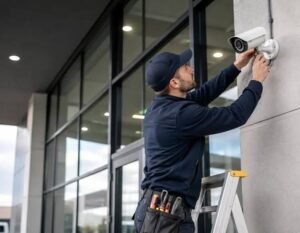
CCTV may also be useful for landlords and property managers who want to monitor appropriate external or communal areas. However, camera placement should respect residents’ privacy and comply with applicable data protection requirements. Cameras should not be directed into private living spaces or positioned to capture more personal information than necessary. Before installation, property owners should consider how recordings will be stored, who can access them, and how long footage will be retained. When CCTV forms part of a wider home security plan, it can also be considered alongside Security Window Installation to address other vulnerable areas around the property.
Businesses often need CCTV systems to monitor entrances, customer-facing areas, offices, stockrooms, loading bays, car parks, and other operational spaces. Retail shops may prioritise visibility around entrances and displays, while warehouses may need coverage of storage areas and delivery points. Offices may focus on reception areas and controlled access points. The most suitable CCTV setup depends on the building’s layout, working practices, operating hours, and specific security concerns. A carefully planned installation can help authorised personnel review relevant activity and support the management of security incidents when footage is available.

Commercial CCTV planning should also account for staff privacy, customer expectations, and the business’s legal responsibilities. In the UK, organisations using CCTV should consider applicable data protection legislation, provide appropriate signage where required, and establish clear procedures for accessing and retaining footage. Camera coverage should have a defined purpose and should not be more intrusive than necessary. Businesses may also need to consider whether their system can integrate with other security arrangements, such as alarms or controlled entry points. Combining CCTV with Access Control Installation can help businesses manage authorised entry while maintaining a clearer view of activity around selected access areas.
Choosing a CCTV system starts with identifying the areas that need monitoring and the level of image detail required. Camera types vary in resolution, viewing angle, low-light performance, weather resistance, and available features. Some systems are designed primarily for indoor monitoring, while others are suitable for outdoor environments exposed to rain and changing temperatures. Property owners should also consider whether they need continuous recording, motion-triggered recording, remote viewing, or notifications from compatible equipment. Selecting a system based on actual requirements can help avoid paying for features that are unnecessary or choosing equipment that does not provide adequate coverage.

Recording and storage arrangements are equally important. Some CCTV systems use a local recording device, while others offer network-based storage or cloud options, depending on the equipment and subscription requirements. The best choice will depend on the desired recording period, available internet connectivity, security preferences, and ongoing costs. Password protection, access permissions, software updates, and secure network configuration should also be considered to reduce the risk of unauthorised access to cameras or recordings. Regular checks can help confirm that cameras are operating correctly and that footage can be retrieved when needed. Reviewing these details before installation helps create a CCTV setup that remains practical and suitable over time.https://www.safesworld.com/home-safe-installation-a-full-guide/